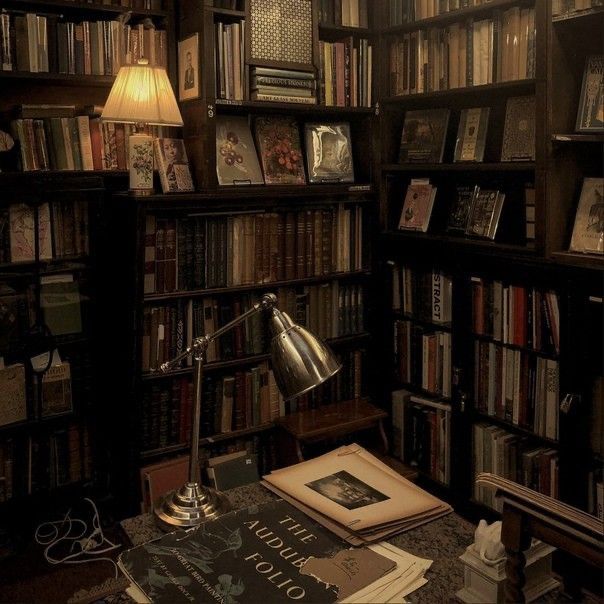
The rise of the Dark Academia aesthetic in recent years has been meteoric, and I for one love it. I have always been a curious soul at heart, and so the ability to turn that love for learning into an aesthetic has been interesting. Perhaps one day I will publish all my thoughts about aesthetics and our cultures obsession with them, but in the meantime, I don’t see why we can’t have a little bit of fun with it.
So, if you’ve clicked on this page I’m guessing that you have somehow already been exposed to this concept of ‘Dark Academia’ and you’re here to find out more about how you can embrace this lifestyle more.
Fear not, I have got you, with a full list of books, media, and fun ideas for you to continue living out your academic fantasy.
I’ll walk you through all the different things you can do, read, and have to enjoy this aesthetic in your every day life. So without further ado, let’s continue!
What is Dark Academia? (WARNING: Danger ahead!)
If you are already a fan, you’ll know a little bit about this aesthetic but I want to make sure we’re all very clear, especially for those who are here wondering what all the fuss is about.
Dark Academia is largely an aesthetic and subculture that is focused on higher education, usually relating to the Arts, History, or Literature. However, this can be rather limiting (not to mention boring). Hence, I want to encourage people to include science, mathematics, and cultural study to this understanding – see below for a full list of Topics of Interest.
True to its name, Dark Academia typically involves intense, dark, and negative themes, including but not limited to: literary tragedy, existentialism, heartbreak, oppression, substance abuse, depression, loss, and death. You’ll notice there is a great emphasis on studying and wanting to return to time periods that have passed.
Unfortunately, I must also recognise the fact that it not only has the potential to be rather classist, misogynistic and Western centric, and that it has been used as an excuse for people to embrace these nastier sides of humanity.
Historically, it does have roots in the 19th century upper-class European cultures, which emphasised liberal education with lessons in Latin, classics, and literature. In the present day, these are now seen as largely esoteric and unusual, which has cultivated a sense of elitism, mystery, curiosity, and diligence that is uncommon in the setting of contemporary schooling. I know I didn’t have many students speaking in ancient languages or spending hours honing their abilities in strategy games while I was in school…
The good news however, is that it doesn’t have to be any of those things! Dark Academia is about your own pursuit of education and enlightenment (maybe even to the point of madness – but I am not here to judge).
Many of the central ideas and aesthetics can be adapted and applied to suit non-Western cultures. Further, if the focus is on knowledge-acquisition, you’ll (hopefully) be too focused to worry about putting others down for any reason. Additionally, in the process of your erudition, you’ll likely learn just how similar humans are deep down, and how much we all require grace and kindness.
How to be a true Dark Academia Asthete:
Onto the fun part! Read on for a list to satisfy all your Dark Academic needs. I tried to keep it concise, so as not to overwhelm you, but also to give you a range of activities to enjoy. These are all the definitive starting novels, classics, and movies, so once you’ve devoured all of them, I’ve included some further reading at the bottom of the article.
TOPICS OF INTEREST
- ancient history – not just Greek or Roman!
- languages – once again, look outside of just the romantic languages and try learning something new
- classic literature and poetry
- sciences – study everything from biology, and chemistry, to geography, anthropology, and forensics
- mathematics – learn complex equations, laws of physics, and engineering concepts
- coding and computer technology
- space and astronomy
- strategy and game theory through cards and chess
- law, politics and international relations
- theatre and film
- religion studies
- philosophy
- visual art – both learning to appreciate it more as well as creating your own
ACTIVITIES
- Listen to classical music (there are so many playlists out there!)
- Visit art museums & recreate your favourite pieces or write something to accompany them, like a poem or letter.
- Research ancient history and write an essay on what you learned for fun.
- Learn an old poem by heart.
- Cultivate a sense of style that is comfortable, academic look, yet creative in your own way.
- Have a picnic with friends to read or discuss your favourite books.
- Learn a new language.
- Go to the theatre to see a play or ballet.
- Have a collection of candles you burn while learning.
- Go thrift shopping for small home decor that adds to the old-timey aesthetic.
- Learn to play a musical instrument.
- Keep a commonplace book in your everyday bag to write notes instead of using your phone.
- Learn the history of your town or city.
- Read and annotate books – highlight beautiful phrases or words, make note of your reactions, and record the definition of new words.
- Write your own philosophy on life. Print it onto paper in your own handwriting. Pin it to your wall.
- Write letters. To your friends, your family, to your future self. Post it if you dare.
- Wear vintage clothes.
- Go to a park and journal. Record what you see and hear and feel. Record being alive.
- Cultivate a coffee or tea collection in your kitchen. Keep the items in jars or boxes that you enjoy.
- Watch foreign films.
- Learn to sew and alter your clothing.
- Paint a picture of a scene you think is beautiful and terrifying – something that makes you feel.
- Translate a piece of literature or read a book in another language.
- Watch a film and write a review or response to it. How did it make you feel? What did you learn about it or yourself?
Looking for more specific inspiration?
BOOKS TO READ
Classics
A classic Dark Academia book references a past period of human history and either (1) studies the darker parts of humanity or (2) is a renowned novel that has had great impact on literature, or both.
- ‘The Picture of Dorian Gray’ by Oscar Wilde
- ‘Frankenstein’ by Mary Shelley
- ‘Dracula’ by Bram Stoker
- ‘The Iliad and The Odyssey’ by Homer
- ‘The Bell Jar’ by Sylvia Plath
- ‘The Great Gatsby’ by F. Scott Fitzgerald
- ‘Dr. Jekyll and Mr. Hyde’ by Robert Louis Stevenson
- ‘Crime and Punishment’ by Fyodor Dostoyevsky
- ‘The Prince’ by Nicolo Machiavelli
- ‘Wuthering Heights’ by Charlotte Bronte
- ‘Hunchback of Notre Dame’ by Victor Hugo
- ‘Don Quixote’ by Miguel de Cervantes
- ‘The Tale of Genji’ by Murasaki Shikibu
- ‘The Palace of Illusions’ by Chitra Banerjee Divakaruni
- One of the great Chinese Classic Novels
Modern Literature
- ‘The Secret History’ by Donna Tartt
- ‘If We Were Villains’ by M.L. Rio
- ‘Bunny’ by Mona Awad
- ‘The Maidens’ by Alex Michaelides
- ‘Ninth House’ by Leigh Bardugo
- ‘Vicious’ by V.E. Schwab
- ‘Babel’ by R.F. Kuang
- ‘My Dark Vanessa’ by Kate Elizabeth Russel
- ‘The Starless Sea’ by Erin Morgenstern
- ‘The Night Circus’ by Erin Morgenstern
- ‘We Wish You Luck’ by Caroline Zancan
- ‘The Ivies’ by Alex Donne
- ‘Ghosts of Harvard’ by Francesca Serritella
- ‘The Historian’ by Elizabeth Kostova
- ‘The Furies’ by Katie Lowe
- ‘Jonathan Strange and Mr Norrel’ by Susanna Clark
- ‘The Magicians’ by Lev Grossman
- ‘Ace of Spades’ by Faridah Àbíké-Íyímídé
- ‘The Tenth Girl’ by Sara Faring
- ‘Confessions’ by Kanae Minato
MOVIES
- ‘Dead Poets Society’ (1989)
- ‘The Skulls’ (2000)
- ‘Dorian Gray’ (2009)
- ‘Cruel Intentions’ (1999)
- ‘Maurice’ (1987)
- ‘Picnic at Hanging Rock’ (1975)
- ‘Knives Out’ (2018)
- ‘The Goldfinch’ (2019)
- ‘The Da Vinci Code’ (2006)
- ‘Good Will Hunting’ (1997)
- ‘The Imitation Game’ (2014)
- ‘The Pale Blue Eye’ (2022)
- ‘The Imitation Game’ (2014)
TV SHOWS
- ‘The Magicians’ (2015-2020)
- ‘A Discovery of Witches’ (2018-2022)
- ‘The Queen’s Gambit’ (2020)
- ‘A Series of Unfortunate Events’ (2017-2019)
- ‘Gilmore Girls’ (2000-2007)
- ‘Anne with an E’ (2017-2019)
- ‘Sherlock’ (2010-2017)
- ‘How to get away with Murder’ (2014-2020)
Conclusion
So now you have a starting place to begin living out your new Dark Academia lifestyle!
Don’t forget to post some pretentious sounding posts on instagram, and tag me so we can discuss our incredibly niche and exclusive interests together.
Valeas amicis!

 Devin's World
Leave a comment